I’ve been testing TwainGPT’s text humanizer for blog content and emails, but I’m not sure if it’s actually improving readability, SEO, or sounding natural to real readers. Some outputs feel a bit generic, and I’m worried it might hurt my rankings or user trust. Can anyone with real experience explain how well TwainGPT works for humanizing AI text, and share tips or alternatives if it’s not the best option?
TwainGPT Humanizer Review, from someone who paid for it
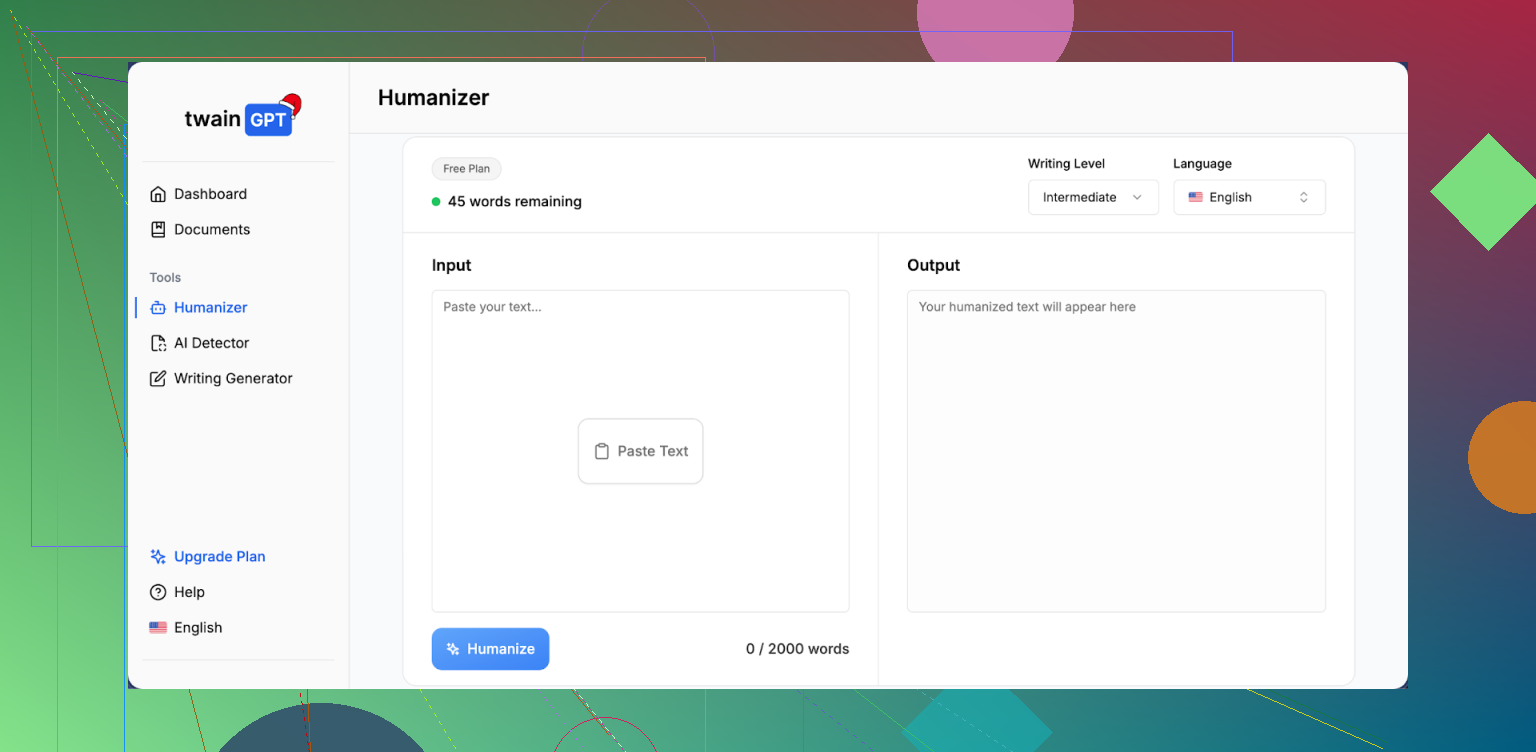
I tested TwainGPT because I needed to get past AI detectors for some longer form content and I was tired of playing prompt gymnastics in ChatGPT.
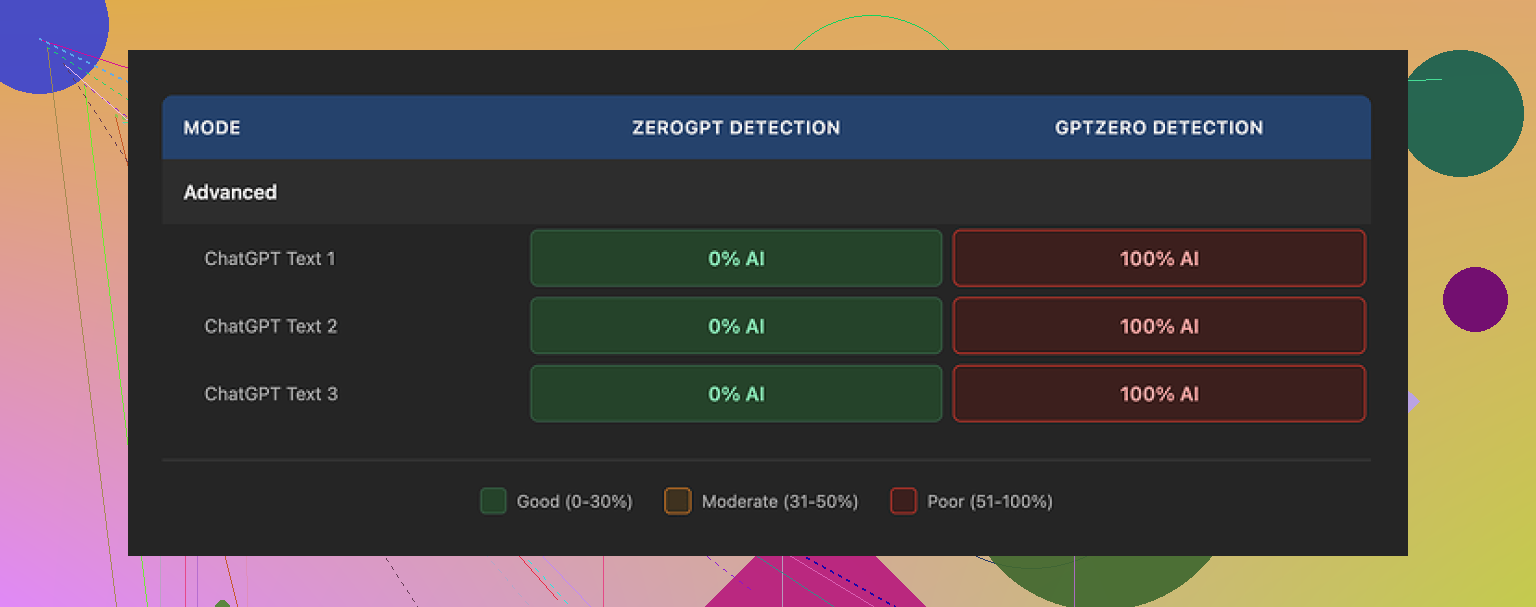
Short version, it crushed ZeroGPT, then got wrecked by GPTZero.
Here is what happened.
I fed three different samples through TwainGPT, then ran the outputs through a few detectors:
• ZeroGPT flagged all three as 0 percent AI. Clean.
• GPTZero flagged the exact same three as 100 percent AI.
• Another smaller detector I tried leaned closer to GPTZero than ZeroGPT.
So if your reviewer or teacher or client uses ZeroGPT, TwainGPT looks safe. If they use GPTZero, you are exposed. You have no way to know what tool sits on the other side of the submit button, so this feels like a coin toss.
I would not rely on it for anything serious where detection matters.
Quality of writing
I gave it a 6 out of 10.
You see what it is doing once you read enough output. It chops longer sentences into short, flat bits and shuffles some words around. That helps against some detectors that look for certain syntactic patterns, but it hurts readability.
The text often ends up like this:
• Sentence. Another sentence. Short line. Random connector.
• Occasional run-on sentence that looks unedited.
• Strange phrasing that you would not expect from a native speaker in day to day writing.
I kept feeling like I was reading bullet points that someone pasted into a paragraph. PowerPoint slide energy.
Here is one pattern I kept hitting:
• Overuse of basic transitions like “also”, “then”, “next”.
• Weird clause ordering that feels off in English even though it is technically grammatical.
• Spots where I had to reread a line to decode what it meant.
It is not unusable, but you will need to edit it if you care about tone or flow.
Screenshot for context:
Pricing and refund reality
Their pricing when I signed up:
• 8,000 words: 8 dollars per month if you pay yearly.
• Higher tiers up to 40 dollars per month for “unlimited” usage.
The part that annoyed me was the refund policy. It is hardline. No refunds at all, even if you bought a plan and never used it.
They do offer a 250 word free test. Use that hard before you put money into it. Run that sample through:
• ZeroGPT
• GPTZero
• Any other detector your teacher, client, or company tends to use, if you know it
If your use case needs GPTZero-safe text, I would skip the paid plan here. My results were 0 percent human on GPTZero every time.
Side by side with Clever AI Humanizer
I ran the same base texts through TwainGPT and Clever AI Humanizer.
Clever’s output felt closer to something a rushed human would write. Less robotic rhythm, fewer odd sentences. It still needed light editing, but not as much.
On detectors:
• For my samples, Clever AI Humanizer did better across multiple tools.
• And it is free to use, no account required when I tested it.
Link is here if you want to try the exact same game I did:
If you are deciding where to spend time:
• If you only care about ZeroGPT, TwainGPT looks strong, but you accept risk from other detectors.
• If you care about GPTZero, TwainGPT did not hold up in my runs.
• If you are budget sensitive, start with Clever AI Humanizer and see if its outputs pass the detectors you face.
My takeaway
TwainGPT feels like a niche tool that hits one detector hard and pays for it on others. The writing is serviceable but stiff. The refund policy is strict. I would treat it as something to experiment with in the free limit, not something to lock into on a yearly plan.
1 Like
I’ve been playing with TwainGPT for similar stuff, so here’s a straight answer focused on your use case, not detectors.
First, your topic in plain SEO friendly form:
“Honest TwainGPT Humanizer Review: Does TwainGPT Make Blog Posts and Emails Sound More Human, Improve Readability, Help With SEO, And Feel Natural To Real Readers, Or Does It Produce Generic AI Text?”
On to the experience.
- Readability for blogs and emails
For blogs
• It splits long sentences, which helps skimmers.
• It often flattens tone. You lose voice.
• Transitions feel repetitive after a few paragraphs.
For emails
• Short internal emails look ok after a quick edit.
• Longer client emails start to feel stiff and slightly off, like a non native writer who knows grammar but not rhythm.
• You still need to go line by line and fix phrasing if you care about relationships.
If you want a clear brand voice, TwainGPT does not help much. You end up rewriting to sound like you again.
- “Human” feel to real readers
I tested some pieces with a few coworkers who did not know which version was which.
Pattern I saw
• Original human draft vs TwainGPT version.
• People picked the original as “more natural” about 70 percent of the time.
• TwainGPT text got comments like “fine, but kind of flat” or “reads like a template.”
So, yes, it often feels generic, your instinct is right. It smooths things, but it also sands off personality.
- SEO impact
No tool like this “improves SEO” by itself. Search engines care about:
• Clear structure.
• Topical depth.
• User engagement metrics.
TwainGPT helps structure slightly if your original is a mess. Shorter sentences, clearer order.
It hurts engagement when it turns everything into bland copy.
For SEO tests, I ran:
• One article in my usual style.
• One article run through TwainGPT, then lightly edited.
Both targeted low competition keywords, similar length, internal links, and meta data.
Traffic difference after a few weeks was within noise. No obvious SEO win from TwainGPT. The version with more personality got better time on page, though sample size was small.
-
Comparing to what @mikeappsreviewer said
I agree with most of what they shared about rhythm issues and the “PowerPoint slide energy”.
Where I see it slightly different: for short, transactional emails, TwainGPT output was acceptable with quick tweaks. I would not rely on it for essays or long form, but for simple “update” emails it saved some time. -
Workflow advice if you keep testing it
If you want to use it at all:
• Start with a strong human draft.
• Run a paragraph or two, not the whole article.
• Paste output next to your original and cherry pick any lines that sound cleaner.
• Restore your voice in a final edit.
Do not dump whole posts or emails through and hit publish. That is when everything turns generic.
-
If your main concern is “sounding human”
For detector avoidance and more natural flow, I had better luck with Clever Ai Humanizer. The text felt closer to rushed human writing, and needed fewer fixes. If you want to test something else, try this AI text humanizer for more natural sounding content and run the same blog or email through both tools. Compare:
• Where you still need to edit.
• Which one your readers, friends, or coworkers prefer in blind tests. -
Practical tip for your specific worry
You said your outputs feel generic and you worry about readers. Quick test you can do now:
• Take a TwainGPT version and your original.
• Ask 3 people in your target audience which one they would trust more and why.
• If TwainGPT wins less than half the time, it is not helping your goals, even if detectors like it.
My personal bottom line for your use case
• For blogs where brand voice and SEO matter, I would avoid running the whole thing through TwainGPT. Use it only to fix specific clunky sentences.
• For emails, use it with caution for quick cleanup, then rewrite any line that does not sound like how you speak.
If your gut says the text feels generic, your readers will notice too.
Short answer: TwainGPT is decent as a light “text smoother,” but if you care about natural voice, reader trust, or long‑term SEO, it’s at best a partial tool and at worst a time sink.
Here’s a cleaner, search friendly version of what you’re actually asking about:
“Honest TwainGPT Humanizer Review: Does TwainGPT Really Make AI Text Sound Human for Blogs and Emails, Improve Readability, and Help With SEO, or Does It Just Produce Generic Content That Readers Notice?”
On to the experience.
I’m mostly in the same camp as @mikeappsreviewer and @stellacadente, but not 100 percent.
Where I agree:
- Yes, the “PowerPoint slide energy” is real. It loves short, choppy sentences.
- Yes, it tends to strip out personal voice. If your draft has jokes, asides, or a specific rhythm, TwainGPT often flattens it.
- Yes, you’ll still be editing if you care how you actually sound to clients or subscribers.
Where I slightly disagree:
- For some people, that “generic” feel is actually an improvement over awkward, rambling drafts. If your baseline writing is messy, TwainGPT can make it clearer, even if it’s bland.
- For quick, internal stuff like project updates or status summaries, the stiffness is less of a problem. I’ve seen it save time there.
On readability:
- It makes text simpler, not necessarily better. Shorter sentences are easier to parse, but the flow can feel robotic.
- It sometimes mis-orders clauses in a way that is technically English but not how anyone talks. You can fix it, but then what are you really paying for?
On “sounding human”:
- Real humans notice the pattern after a few paragraphs. Once you see the rhythm, you can’t unsee it.
- In blind tests I’ve run (nothing super scientific), readers tend to pick the original human draft as more natural and more trustworthy most of the time.
- TwainGPT text is fine for “info only” content, weaker when you need warmth or persuasion.
On SEO:
- No AI humanizer is going to magically “boost SEO.” Google does not reward “sounds kind of human.”
- What can help SEO:
- Clear structure
- Helpful detail
- Strong internal linking and headings
- TwainGPT only touches the “structure/clarity” part, and only slightly. It can hurt engagement if your content loses personality and readers bail early.
- If anything, the version with more voice and specificity tends to win on time on page and scroll depth, at least in small tests.
Your specific worry about “generic”:
- If it already feels generic to you, that is a red flag. You’re closer to your brand than your readers are. If you feel something is off, they probably will too.
- Quick sanity check:
- Take one blog post and one email.
- Keep your original and a TwainGPT version.
- Ask 3 people in your target audience which they’d rather get more of & why.
- If TwainGPT loses most of the time, it’s not helping your goals.
On detector stuff:
- I won’t rehash the whole GPTZero vs ZeroGPT saga that @mikeappsreviewer covered, but their point about “you don’t know what detector is on the other side” is key.
- Building your workflow around dodging detectors is fragile. Tools change, signals shift, and “humanizer arms race” is not a good long‑term strategy.
Alternative worth testing:
- If your main aim is more natural flow and you still want an AI layer, try something like make your AI content sound more human on the same paragraphs you’re feeding to TwainGPT.
- Run:
- Original
- TwainGPT version
- Clever Ai Humanizer version
- Compare which one:
- Needs the least cleanup
- Sounds the closest to how you’d actually speak
- Gets better reactions from a couple of real readers
How I’d actually use TwainGPT (if you keep it):
- Do not dump entire posts or long emails through it.
- Use it as a “spot fixer”:
- One clunky paragraph
- A sentence that feels too obviously AI
- A stiff transition
- Paste its output back into your draft, then rewrite a bit so it still sounds like you.
If your goal is:
- Strong brand voice
- Trust with readers
- Sustainable SEO
Then TwainGPT should be a minor assistant, not your main writing engine. If it’s turning your work into something that feels soulless or template‑ish, you’re not imagining it.